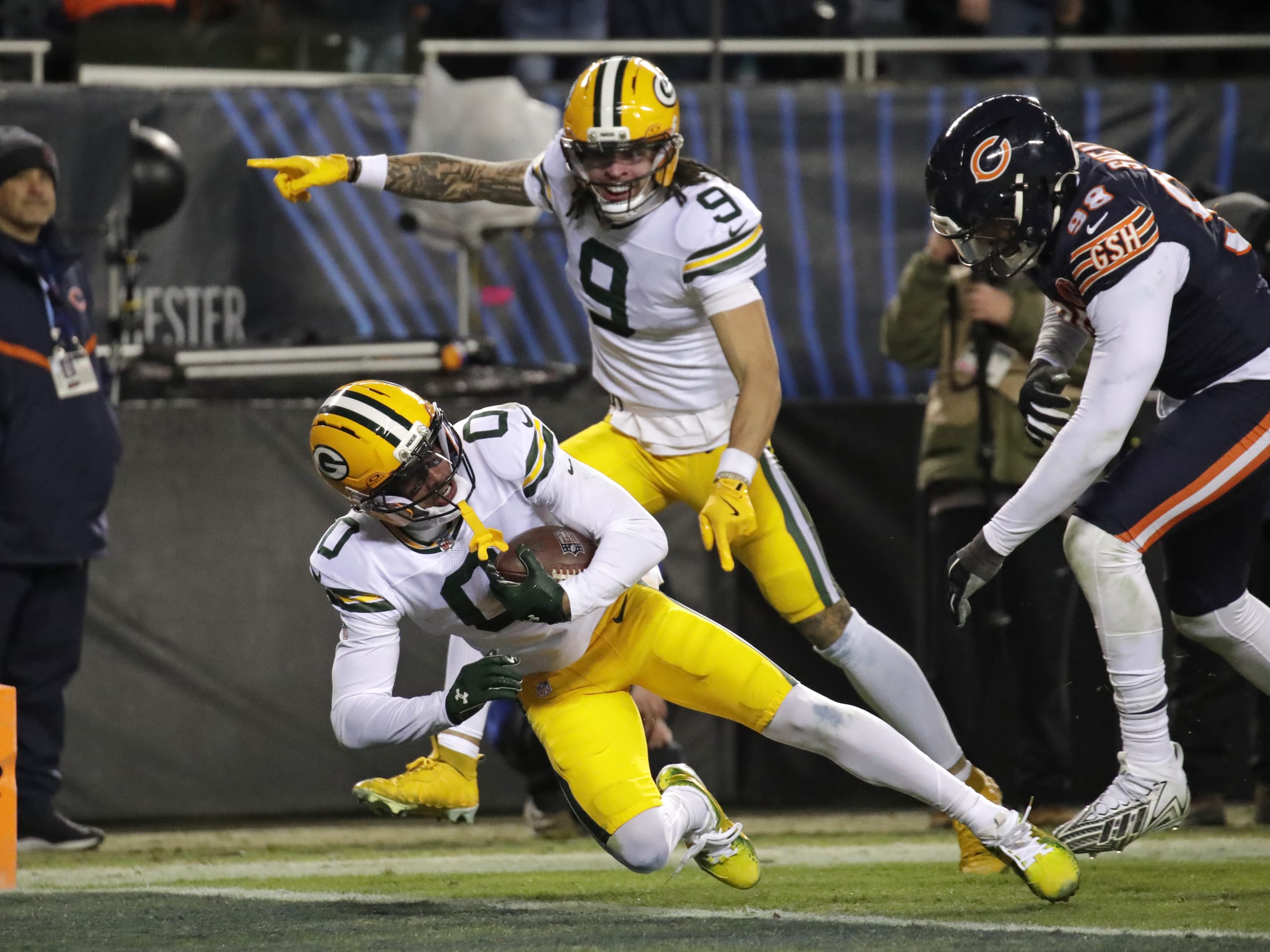
BREAKING: A Mother’s Battle, A Nation’s Heart — Green Bay Packers Star Faces Life’s Hardest Test as Family Confronts Stage IV Glioblastoma, Sparking a Global Wave of Strength and Compassion
The heartbreaking news that the mother of a Green Bay Packers star is battling Stage IV Glioblastoma has shaken fans across the football world and beyond.
This is not just another emotional headline, it is a deeply human story that reveals the fragile reality behind even the strongest public figures.

For years, she stood as his greatest supporter, cheering through every victory, standing firm through every setback, and believing when doubt seemed louder than hope.
Now, she faces a battle far greater than any game, one defined not by competition, but by endurance, courage, and the relentless will to keep fighting.
Stage IV Glioblastoma is widely known as one of the most aggressive and fast-moving forms of cancer, bringing immense physical and emotional challenges.
Each passing day becomes a test of strength, marked by pain, exhaustion, and the quiet resilience required to confront uncertainty head on.
For the player at the center of this story, everything changes in an instant, shifting from performance and pressure to family and presence.
It is a transformation that reminds everyone that behind every jersey number is a life shaped by relationships, love, and unseen struggles.
Fans of the Green Bay Packers have responded with an overwhelming wave of support, filling social media with messages of prayer, encouragement, and unity.
This collective response highlights the power of community, showing how people can come together to support someone they may never meet but deeply care about.
Yet beneath this powerful show of compassion lies a deeper conversation that extends far beyond a single family’s struggle.
Why does it often take a public story like this to bring attention to the countless families quietly facing similar battles every day?
This question challenges society to look beyond headlines and recognize the widespread reality of serious illness and the need for broader support systems.
For many readers, the story feels personal, echoing their own experiences with illness, caregiving, or the fear of losing someone they love.
It creates a sense of connection that transcends fame, reminding everyone that pain and resilience are universal experiences.
At the same time, it raises important questions about how support is expressed and what it truly means to stand beside someone in their darkest moments.
Is offering words of encouragement enough, or should it inspire meaningful action that addresses the deeper challenges associated with serious illness?
This tension between empathy and action lies at the heart of the conversation, shaping how people respond to stories like this.
For younger audiences, the narrative carries a powerful lesson about the importance of family, gratitude, and emotional strength in times of crisis.
It challenges the perception of invincibility often associated with athletes, revealing a more complex and human reality behind the spotlight.
This shift in perspective fosters empathy, encouraging fans to see players not just as performers, but as individuals navigating real-life challenges.
The story also brings attention to the urgent need for awareness and research surrounding Stage IV Glioblastoma.
It highlights the importance of medical advancements, access to care, and the support systems that help families navigate such difficult diagnoses.
As the story spreads, it has become more than just news, it has turned into a movement of shared emotion, reflection, and dialogue.
People are sharing their own experiences, connecting through vulnerability, and finding strength in collective understanding.